how to install wpc decking
Blog

How to Install WPC Decking?

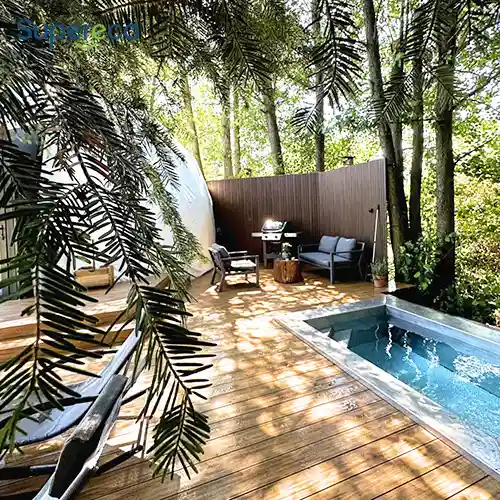
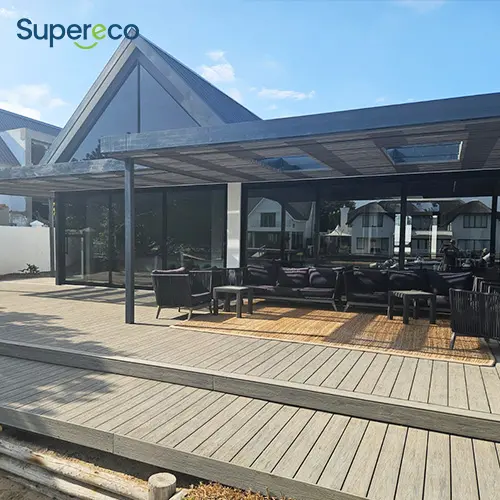
Choosing the right installation method for WPC Decking can dramatically improve durability, safety, and long-term maintenance costs. This guide shows construction contractors and bulk buyers the precise steps to install WPC Decking efficiently and professionally. Understanding WPC Decking for Modern Construction What Makes WPC Decking Different from Wood or PVC Wood-plastic composite blends recycled wood fibers with high-performance polymers, giving it far greater stability and moisture resistance than natural lumber. Unlike PVC, it maintains a realistic grain while avoiding warping and cracking. Benefits for Commercial and Large-Scale Construction For resorts, municipal walkways, or commercial rooftop decks, WPC Decking offers slip-resistance, color stability, and reduced maintenance—key factors that lower lifetime project costs. Pre-Installation Requirements for WPC Decking Projects Measuring and Planning the Project Layout Accurate layout planning helps avoid material waste. Wholesalers and contractors typically prepare a full blueprint showing joist direction, expansion gaps, and drainage orientation. Site Inspection & Environment Considerations Ground must be level, well-drained, and cleared of vegetation. For rooftop or concrete installations, ensure proper slope for water flow. Tools & Accessories Needed for Installing WPC Decking Required Basic Tools Common tools include an impact drill, tape measure, level, circular saw, and rubber mallet. Precision tools help maintain straight lines and consistent spacing. Essential Fasteners & Supporting Materials Use corrosion-resistant stainless-steel clips, starter fasteners, expansion screws, and approved joists (WPC or aluminum). Substructure Installation Process Choosing Between Metal and WPC Joists Aluminum joists provide maximum stability for commercial projects, while WPC joists are suitable for moderate-load environments. Joist Spacing Standards for Durability Typical commercial spacing is 300–350 mm center-to-center, ensuring structural strength and long-term board stability. Step-by-Step Guide: How to Install WPC Decking Installing the First Decking Board Start with stainless starter clips. The first board must be perfectly straight, as it guides all remaining boards. Leave a 5–8 mm expansion gap around edges. Securing Boards Using Clips & Screws Hidden clips slide into the board grooves and screw into joists. This ensures an even finish without visible fasteners while allowing natural board expansion. Edge, Trim & Finishing Steps Installing Fascia Boards Fascia protects exposed edges. Pre-drill holes and keep consistent expansion space to avoid cracking under temperature shifts. Final Inspection Checklist Confirm joist spacing, board alignment, expansion gaps, and secure fastening before handing over the site. Common Installation Mistakes to Avoid Over-tightening Screws Fasteners should be firm but not overly tight, allowing natural thermal movement. Incorrect Joist Spacing Too-wide spacing reduces deck stability and increases long-term maintenance needs. Cost Factors for Large WPC Decking Projects Material Cost Variables Board thickness, cap layer quality, and joist material significantly influence price. Labor & Long-Term Maintenance Costs WPC Decking reduces future sanding, painting, and repair expenses—ideal for municipal and commercial clients. Maintenance Tips for Long-Lasting WPC Decking Routine Cleaning Methods Wash with mild soap and water. Avoid abrasive chemicals. Seasonal Inspection Guide Check for debris buildup and confirm screws remain secure. Why WPC Decking Is the Preferred Choice for Commercial Contractors Durability in High-Traffic Areas Resists scratching and heavy foot traffic, ideal for resorts, docks, or shopping centers. Eco-Friendly Benefits for Public Projects Made from recycled materials, WPC Decking supports green building standards and LEED certification. FAQs About Installing WPC Decking 1. Can WPC Decking be installed directly on soil?No. A substructure is required.2. What is the recommended expansion gap?5–8 mm around edges.3. Do WPC boards fade?Minimal fading occurs in the first few months.4. Can WPC be cut like wood?Yes, using standard woodworking tools.5. How long does installation typically take?Commercial projects vary, but crews average 50–80 m² per day.6. Are clips necessary?Clips ensure expansion movement and a clean finish. Final Thoughts Installing WPC Decking correctly ensures long-term safety, stability, and visual appeal—critical for contractors handling large commercial or municipal projects. With proper substructure, spacing, and fastening, WPC Decking delivers exceptional value and lower lifetime maintenance costs. Related Articles

why is composite fencing gaining popularity in residential areas 1
Blog

Why Is Composite Fencing Gaining Popularity in Residential Areas?

Discover why composite fencing and WPC fencing are top choices for modern homes. This guide reveals their benefits over wood and vinyl, focusing on durability, minimal upkeep, and enhanced aesthetics for homeowners.If you’re considering a new fence, you’ve likely encountered composite fencing and WPC fencing. These modern materials are rapidly replacing traditional wood and vinyl in neighborhoods everywhere. But what’s driving this trend? Homeowners are discovering that composite and WPC fences offer a superior blend of long-lasting beauty and practical performance. This article explores the key reasons for their surge in popularity, from their impressive resilience against the elements to their stunning, low-maintenance appeal that boosts curb appeal. The Limitations of Traditional Fencing Before diving into the benefits of composite, it’s helpful to understand why many are moving away from conventional fencing options. The Constant Battle with Wood and Iron Traditional wood fencing, while classic, demands significant ongoing care. It is susceptible to rotting, warping, and insect damage, requiring regular staining or sealing to maintain its appearance and structure. Similarly, iron or metal fencing, though strong, is prone to rust and corrosion, needing frequent painting to combat weathering. This cycle of maintenance becomes a recurring expense and time-consuming chore for homeowners. The Core Advantages of Composite and WPC Fencing So, what makes composite fence panels and WPC (Wood Plastic Composite) such a game-changer? They are engineered to solve the very problems that plague traditional materials. Unmatched Durability and Longevity Composite fencing is built to last. It’s highly resistant to moisture, preventing the rot and decay that destroy wood. It won’t warp, crack, or splinter under intense sun or freezing temperatures. Unlike iron, it is completely immune to rust. This robust nature ensures your composite garden fence maintains its integrity and appearance for decades, making it a truly long-term investment for your property. The Appeal of Minimal Maintenance This is perhaps the biggest draw. Once installed, a composite privacy fence requires almost no upkeep. Forget annual painting, staining, or sealing. A simple occasional rinse with a garden hose or a wash with soapy water is all that’s needed to keep it looking new. This frees up your weekends and saves you money on maintenance supplies and labor year after year. Design and Environmental Perks Beyond sheer resilience, modern homeowners are choosing composite for its style and sustainability. Aesthetic Versatility for Curb Appeal Today’s composite fencing offers a wide range of designs. You can find styles that beautifully mimic the rich, natural grain of wood without any of its drawbacks. It comes in various colors and finishes, from classic timber hues to contemporary grays, allowing you to perfectly match your home’s architectural style. This enhances your outdoor privacy and security while significantly boosting your home’s curb appeal. An Eco-Friendly Choice For the environmentally conscious, WPC fencing is an excellent option. Most products are manufactured using a high percentage of recycled materials, such as reclaimed wood fibers and post-consumer plastics. By choosing a composite fence, you are reducing landfill waste and minimizing the demand for newly harvested lumber, making it a sustainable choice for your landscape. Analyzing the Investment: Cost vs. Value While the initial price of a composite fence panel system may be higher than a traditional wood fence, it’s crucial to view it through the lens of long-term value.The upfront cost is offset by decades of savings on maintenance. You will never need to pay for staining, sealing, or repairing rot and rust. Its exceptional longevity means it won’t need replacing for a very long time. Furthermore, the installation of a durable, attractive composite garden fence is a recognized home improvement that can increase your property’s resale value, making it a smart financial decision for the future.

wpcwaterproof wall panels
Blog

Is Composite Wall Panel the Future of Modern Home Design?

Are modern homeowners rethinking their wall material choices? Composite Wall Panel solutions, including WPC Wall Panels, are gaining significant attention for good reason. These innovative materials combine durability, sustainability, and aesthetic appeal in ways that traditional options like MDF cannot match. This article examines whether these panels represent the future of home design by exploring their key benefits, environmental advantages, and practical applications that make them stand out from conventional materials. Sustainability and Environmental Benefits The Eco-Friendly Choice for Conscious Homeowners One of the most compelling arguments for Composite Wall Panel adoption is their environmental advantage. Unlike traditional wood products that contribute to deforestation, WPC (Wood-Plastic Composite) panels typically utilize recycled materials—wood fibers from sawmill waste and recycled plastics. This manufacturing approach not only reduces landfill waste but also minimizes the carbon footprint associated with new construction materials. When compared to MDF production, which often involves formaldehyde-based resins and virgin wood fibers, the eco-friendly credentials of composite panels are significantly stronger. For homeowners seeking LEED certification or simply wanting to make more sustainable choices, these panels offer a clear path toward greener living without compromising on quality or aesthetics. Enhanced Durability and Performance Outperforming Traditional Materials in Every Way The performance benefits of WPC Wall Panels extend far beyond basic functionality. These panels are engineered to withstand conditions that would damage or destroy traditional materials. Their 100% waterproof nature makes them completely resistant to moisture absorption, preventing the warping, swelling, and mold growth that commonly plague MDF installations. The composite structure provides exceptional impact resistance—able to withstand daily wear and tear that would dent or scratch other surfaces. Unlike MDF, which can deteriorate quickly in humid environments, composite panels maintain their structural integrity and appearance for decades. This longevity translates to better value over time, as homeowners avoid the frequent replacements and repairs often needed with conventional wall materials. Design Versatility and Aesthetic Appeal Unlimited Creative Possibilities for Modern Spaces The aesthetic flexibility of Composite Wall Panel systems is truly remarkable. Modern manufacturing techniques allow these panels to replicate the appearance of natural wood, stone, marble, or abstract contemporary patterns with stunning realism. This means homeowners can achieve high-end looks without the maintenance headaches or cost associated with natural materials. The panels come in various textures, from wood-grain finishes to smooth modern surfaces, and can be customized in numerous colors. This versatility enables seamless integration with any design scheme, from rustic farmhouse to ultra-modern minimalist. Unlike paint-grade MDF, which requires frequent repainting and shows wear quickly, composite panels retain their vibrant color and texture through their UV-stable coatings, ensuring lasting beauty. Cost-Effectiveness and Long-Term Value Smart Investment for Today’s Homeowner While the initial cost of WPC Wall Panels might be higher than basic MDF, the long-term value proposition is undeniable. Consider the hidden costs of traditional materials: MDF requires professional painting, regular maintenance, and likely replacement in moisture-prone areas. Composite panels, however, need minimal upkeep—no repainting, sealing, or special treatments. Their installation is often quicker and requires less skilled labor, thanks to interlocking systems that simplify the process. When you factor in their exceptional durability and minimal maintenance needs, composite panels typically offer a lower total cost of ownership over 10-15 years compared to traditional alternatives. This combination of immediate aesthetic appeal and long-term economic benefit makes them a financially savvy choice for modern homes. Conclusion: The Verdict on Future Home Design The evidence strongly suggests that Composite Wall Panel systems, including WPC Wall Panels, are indeed shaping the future of home design. Their combination of environmental sustainability, superior durability, design flexibility, and long-term value addresses the core concerns of modern homeowners and designers. As construction trends move toward more sustainable, low-maintenance, and high-performance materials, these panels check all the right boxes. While traditional materials like MDF will likely remain in use for specific applications, the comprehensive benefits of composite panels position them as the leading choice for forward-thinking residential and commercial projects.

WPC Wall Panel Project Gallery-1
Blog

Why Are Homeowners Switching to Composite Cladding in 2025?

If you’re planning a home renovation or build this year, you’ve likely heard about composite cladding. It’s rapidly becoming the go-to material for exteriors, and for good reason. Homeowners and builders are ditching traditional options like timber, MDF, and vinyl for this modern solution. But what’s driving this shift? This article explores the key benefits—from its incredible durability and minimal upkeep to its stylish appearance and eco-friendly credentials. We’ll break down why it’s a smarter investment for your property in 2025 and beyond. The Drawbacks of Traditional Cladding Materials Before we dive into the benefits of composite, it’s important to understand why homeowners are moving away from conventional options. The High Maintenance of Timber and MDF Wood and MDF cladding have been popular for decades, but they come with significant headaches. Timber requires annual sanding, staining, or painting to protect it from the elements. Without this constant care, it is prone to rotting, warping, and insect damage. Similarly, MDF board and related products like MDF skirting board or MDF architrave are highly susceptible to moisture. When used outdoors or in high-humidity areas, they can swell, delaminate, and lose their structural integrity, leading to costly repairs or replacements. The Unmatched Benefits of Composite Cladding So, what makes composite cladding a superior alternative? Its advantages address the very flaws of traditional materials. Superior Durability and Weather Resistance Unlike wood or moisture-prone MDF sheet products, composite cladding is engineered to withstand the toughest conditions. It’s highly resistant to moisture, rot, and insect infestation. It won’t warp, crack, or split under the sun’s UV rays or in freezing temperatures. This resilience makes it an ideal long-term solution for protecting your home’s exterior from the ground up, ensuring it looks great for years without degrading. Incredibly Low Maintenance Forget annual painting weekends. One of the biggest selling points of composite cladding is its minimal maintenance requirements. It doesn’t need sealing, staining, or painting. A simple occasional wash with soap and water is all it takes to keep it looking clean and new. This saves homeowners significant time, effort, and money over the lifespan of their home’s exterior, freeing up weekends for better things. Aesthetics and Sustainability in 2025 Beyond pure performance, modern homeowners demand style and environmental responsibility. Modern Styles and Design Flexibility Today’s composite cladding is a far cry from the plastic-looking planks of the past. Manufacturers now offer a wide range of colors, textures, and finishes, including realistic wood grains that mimic cedar, oak, or contemporary gray tones. This allows for incredible design flexibility, whether you’re aiming for a traditional or a modern aesthetic. It provides the beautiful look of wood without any of the associated drawbacks. Eco-Friendly Credentials In an increasingly eco-conscious world, the sustainable profile of composite cladding is a major draw. Most products are made from a high percentage of recycled materials, including wood fibers and plastics. This means you’re choosing a product that reduces waste and often has a longer life cycle than natural wood, minimizing the need for replacement and the consumption of new raw materials. Cost-Benefit Analysis: A Smart Long-Term Investment While the initial cost of composite cladding can be higher than some traditional materials, it’s crucial to view it as a long-term investment. You are not just paying for the product itself, but for decades of saved maintenance costs. The money you would spend on paints, stains, sealants, and professional labor for wood or MDF upkeep adds up quickly. With composite, those ongoing expenses are virtually eliminated. Furthermore, its durability means you won’t be facing early replacement costs due to rot or water damage. It also boosts your home’s curb appeal and can increase its overall market value, making it a financially savvy choice for the future.

ground level decks in shady, damp areas 1
Blog

Is WPC Decking Really Better Than Wood Composite Decking?

If you’re weighing options for your outdoor space, you’ve likely encountered  (Wood Plastic Composite) WPC decking and traditional Wood Composite Decking. This article cuts through the confusion, directly comparing their materials, durability, maintenance, cost, and ideal applications to help you make an informed decision for your project.You’re planning your dream deck and want a material that’s both beautiful and practical. The debate between WPC decking and traditional wood composite decking is likely on your mind. While these terms are sometimes used interchangeably, they can refer to different material compositions and performance characteristics. This guide will dissect their differences, advantages, and drawbacks, empowering you to choose the best fit for your home, lifestyle, and budget. Understanding the Basics: WPC Decking vs. Wood Composite Decking At first glance, WPC (Wood Plastic Composite) and what’s often marketed as wood composite decking can seem confusingly similar. Both are innovative materials designed to outperform traditional wood by combining organic and synthetic components. However, their specific formulas lead to different performance outcomes. Generally, WPC decking is typically made from a blend of recycled plastics (like HDPE or PVC) and wood fibers or flour, bonded together with chemical additives. A common composition you’ll find is approximately 60% wood fiber, 30% plastic, and 10% additives. These additives include coupling agents, UV stabilizers, colorants, and antifungal agents, which are crucial for enhancing the decking’s durability, weather resistance, and appearance. Traditional wood composite decking (sometimes referred to as first-generation composite) often has a higher ratio of wood content and may use different binding agents. It was a pioneering product that offered an alternative to wood but came with its own set of limitations, such as being more susceptible to moisture and fading. The core distinction often lies in the manufacturing process and material structure. Many modern WPC products benefit from advanced techniques like co-extrusion, where a protective polymer shell is fused around the composite core, significantly enhancing its performance. Head-to-Head Comparison: Durability, Maintenance, and Performance When investing in a deck, you need to know how it will stand up to daily life and the elements. Here’s how WPC and traditional wood composite stack up in key performance areas. Durability and Longevity WPC Decking: Modern WPC, especially co-extruded varieties, is engineered for exceptional durability. The protective cap resists a wide range of assaults, from scratches and stains to fading from UV rays. It’s highly resistant to moisture, preventing the rot, warping, and splintering that plagues traditional wood. Many manufacturers offer warranties exceeding 5 years, a testament to its longevity. Wood Composite Decking: First-generation composites can be more susceptible to surface damage and moisture absorption without a protective cap. This can make them more prone to staining, mold, and mildew over time, and their color may fade faster when exposed to strong sunlight. Maintenance Requirements WPC Decking: This is where WPC truly shines. It requires very little maintenance. You won’t need to sand, stain, or seal it annually. Routine cleaning is typically as simple as sweeping and occasionally washing with soap and water to keep it looking new. This low-maintenance advantage saves significant time and money over the deck’s lifespan. Wood Composite Decking: While still easier to maintain than solid wood, earlier composite decks may require more frequent cleaning to prevent surface stains and microbial growth. Their higher porosity can make them less forgiving to spills like red wine or oil. Weather and Water Resistance Both materials offer good resistance, but WPC often has an edge. WPC Decking: Engineered to be highly waterproof, WPC excels in damp environments. It’s an ideal choice for pool decks, docks, and rainy climates because it won’t swell, rot, or decay from constant water exposure. Its low water absorption rate (often less than 2%) is a key technical advantage. Wood Composite Decking: While resistant, traditional composites can absorb moisture over time if not properly sealed or maintained, which may lead to issues in consistently wet environments. Scratch and Slip Resistance WPC Decking: The polymer-rich surface of many WPC boards, particularly co-extruded ones, offers better resistance to scratches from furniture or pet claws. Furthermore, the surface is often designed with textured wood grain patterns or grooves that provide a slip-resistant surface, even when wet, enhancing safety around pools and patios. Wood Composite Decking: Surface durability can vary more widely between products. Some may be more susceptible to scratching, and slip resistance is not always a guaranteed feature. Aesthetics, Cost, and Ideal Applications Beyond pure performance, the look, cost, and suitability for your specific project are crucial deciding factors. Aesthetics and Design Options WPC Decking: Manufacturing advances allow for incredibly realistic 3D embossed wood grain patterns that look and feel like real wood. WPC comes in a vast array of colors and styles, from traditional woods to modern grays. The color tends to be consistent throughout the board, and thanks to UV stabilizers, it resists fading for years. The co-extrusion process also allows for sharper, more defined grain patterns. Wood Composite Decking: Early composites were criticized for a somewhat plastic-like or uniform appearance. However, newer generations have improved significantly in replicating the look of wood, though the range of styles and fade resistance may not be as robust as some premium WPC options. Cost Analysis and Value Over Time The initial cost is only part of the financial picture. Upfront Cost: Traditionally, first-generation wood composite decking has often been a more budget-friendly option upfront compared to WPC. Prices for WPC can vary but are typically an investment (e.g., sample pricing from suppliers might show a range of $18.78 – $20.28 per square meter for higher-end WPC products). Long-Term Value: While the initial investment in WPC might be higher, its exceptional durability and incredibly low maintenance can make it more cost-effective over its lifespan. You save massively on annual staining, sealing, and potential repair costs associated with other materials. Choosing the Right Application WPC Decking: Its superior waterproof and fade-resistant properties make it the undisputed champion for high-moisture applications and areas with intense sun exposure. It’s perfect for: Pool

best color options for composite decking in 2025 1
Blog

Best Color Options for Composite Decking in 2025 | Trending Colors & Tips

Choosing the color for your new composite deck is one of the most exciting—and impactful—decisions you’ll make. It sets the tone for your entire outdoor living space and can dramatically enhance your home’s curb appeal. As we look to 2025, color trends are shifting towards shades that create a serene, natural, and sophisticated oasis. Moving beyond the basic greys and browns, the palette is becoming more nuanced. Here’s your guide to the best composite decking colors for 2025 and how to choose the right one for your home. 1. 2025’s Top Trending Composite Deck Colors This year, we’re seeing a strong move towards colors that blend seamlessly with nature while offering a modern edge. Here are the top contenders: Warm Greiges & Taupes: The undisputed leader for 2025 is “greige” – the perfect sophisticated blend of grey and beige. This color family offers warmth without the yellow undertones of traditional brown, making it incredibly versatile. It pairs beautifully with both warm stonework and cool modern siding. Rich, Dark Charcoal: Never truly out of style, deep charcoal and black are gaining popularity for creating bold, dramatic statements. A dark deck acts as a stunning, grounding element that makes green landscaping and outdoor furniture truly pop. It’s a hallmark of modern and minimalist design. Weathered Wood & Silvered Tones: For those who love the classic look of aged, weathered wood without the maintenance, silvery-grey tones are a perfect choice. This color mimics the natural patina of cedar or redwood after years of exposure to the elements, offering instant rustic charm and character. Earthy Clay & Terracotta: As a move towards warmer, earth-inspired palettes, soft clay and terracotta tones are emerging. These colors add a unique, Mediterranean-inspired warmth and work exceptionally well with homes featuring stucco, brick, or warm stone accents. 2. How to Choose the Right Color for Your Home Selecting a trending color is great, but ensuring it complements your home is essential for a result you’ll love for years to come. Consider Your Home’s Exterior: Your deck should complement, not clash with, your home’s siding, brick, or stonework. For white, grey, or blue siding: Cool greys, charcoals, and weathered tones work beautifully. For brick, stone, or beige homes: Warm greiges, taupes, and earthy browns create a cohesive flow. Think About Sun and Heat: A crucial practical consideration. Lighter colors reflect heat and will stay cooler underfoot in direct sunlight. Darker colors absorb heat and can become very warm in hot, sunny climates. Factor in Maintenance and Fading: While all composite decking is fade-resistant, darker colors may show pollen, dust, or light debris more easily, while very light colors might show dirt. Mid-tone greiges and browns are often the most forgiving for hiding everyday dust and debris. 3. Pro Tips for a Cohesive Outdoor Look Your deck color doesn’t exist in a vacuum. Use these tips to create a harmonious outdoor environment. Get Physical Samples: This is the most important step. Order several large samples of your top color choices. View them on your property at different times of day to see how they look in your specific light alongside your home’s exterior. Create a Flow: Match or coordinate your deck color with other elements like your fence, pergola, or railing system. Using the same color for all structures creates a unified, high-end look. Test with Furniture: Place your samples on the ground and set your outdoor furniture cushions and accessories on them. Does the color make your decor sing? Look at the Undertones: Identify whether the color has warm (red, yellow, orange) or cool (blue, green, purple) undertones. Try to match the undertone of your deck to the undertones in your home’s exterior for a seamless match. Final Thoughts The best color for your composite deck is the one that you love and that enhances your home’s architecture and your personal style. While warm greiges, dark charcoals, and weathered tones are leading the trends in 2025, the right choice is always personal. Ready to see them in person? Order complimentary color samples from us today to see how the top colors of 2025 will look at your home before you make this exciting investment.

how to mix & match wpc decking, fence & wall panels for a cohesive look 2
Blog

How to Mix & Match WPC Decking, Fence & Wall Panels for a Cohesive Look

Creating a stunning outdoor space is like designing a room in your home—cohesion is key. Using WPC (Wood-Plastic Composite) for your deck, fence, and wall cladding offers a incredible opportunity to build a unified, stylish, and low-maintenance oasis. But simply installing these elements isn’t enough; knowing how to mix and match them harmoniously is what separates a good project from a great one. This guide will provide expert tips to blend these products seamlessly for a professional, magazine-worthy finish. 1. Start with a Unified Color Palette: The Foundation of Cohesion The simplest and most effective way to create a cohesive look is to select a consistent color scheme. WPC products come in a range of colors, from natural wood tones to contemporary greys and blacks. The Monochromatic Approach: For a sleek, modern, and expansive feel, use the exact same color for your decking, fencing, and wall panels. This makes the space feel larger and deliberately designed. The tonal Approach: Use different shades of the same color family. For example, pair a light grey deck with a charcoal grey fence and medium grey wall panels. This adds visual depth and interest while maintaining harmony. Pro Tip: Sample, sample, sample! Always order physical samples of your chosen colors. View them together in your outdoor space at different times of day to see how natural light affects them. 2. Play with Texture and Direction for Visual Interest While color unifies, texture and direction add dynamic energy and prevent the space from feeling flat. Contrast Board Direction: If your decking is installed horizontally, consider installing your wall panels vertically (or vice versa). This contrast in lines creates a sophisticated, architecturally interesting look. Mix Profiles: Combine different board widths or profiles. For instance, use wide plank decking underfoot with narrower, shiplap-style wall panels on a vertical surface. Define Zones: Use a different WPC product or installation pattern to define separate “rooms” in your yard. For example, use a horizontal fence pattern around a dining area and a vertical panel pattern on a nearby accent wall to subtly differentiate the spaces. 3. Strategic Placement: Tying It All Together Thoughtful placement of your WPC elements creates a natural flow that guides the eye through the space. The Accent Wall: Use WPC wall panels on a single, focal-point wall of your house or garden shed. This wall should be visible from the main seating area on your WPC deck and complement the style of your WPC fence. This ties the structures together visually. Post Cap Continuity: If your WPC fence has post caps, choose a style and color that complements or matches the fascia or trim of your deck. These small details make a huge impact. Create a “WPC Pathway”: Allow the decking to run flush against the base of a WPC-clad wall or continue the decking pattern onto a step or bench that is built into the fence line. 4. Incorporate Breaks and Complementary Materials A truly expert design knows when to break up the materials to let each one shine. Use Natural Elements: Soften the modern lines of WPC with lush green landscaping. Plant shrubs and climbing vines near the fence, or use potted plants on the deck to add organic texture and color. Add Metal Accents: Incorporate black powder-coated aluminum or stainless steel for railing systems on decks or fences. This industrial touch contrasts beautifully with the warm wood-look of WPC and adds a high-end detail. Lighting is Key: Integrate LED strip lighting under deck railings or post cap lights on the fence. This not only enhances safety but also highlights the texture of the WPC and makes the entire space usable after dark. 5. Practical Considerations for a Flawless Finish A beautiful design must also be a functional one. Check Transition Points: Plan how the different materials will meet. For example, how will the decking board end grain meet the fence post? Using a professional trim piece or a strategic overlap is crucial for a clean look. Maintenance Consistency: A huge advantage of using all WPC is that your entire outdoor space will age and weather at the same rate and can be cleaned with the same simple method, keeping your cohesive look intact for years to come. Don’t be afraid to get creative. Imagine a horizontal, charcoal WPC fence enclosing a patio of lighter grey, horizontal decking, with a vertical accent wall of the same charcoal behind a modern fire pit. This combination uses a tonal color scheme, contrasting directions, and strategic placement to create a deeply engaging and cohesive outdoor room.Ready to design your unified outdoor escape? Browse our color-matched collections of WPC decking, fencing, and wall panels to start bringing your vision to life.

best wpc fence designs for privacy & style in 2025 2
Blog

Best WPC Fence Designs for Privacy & Style in 2025

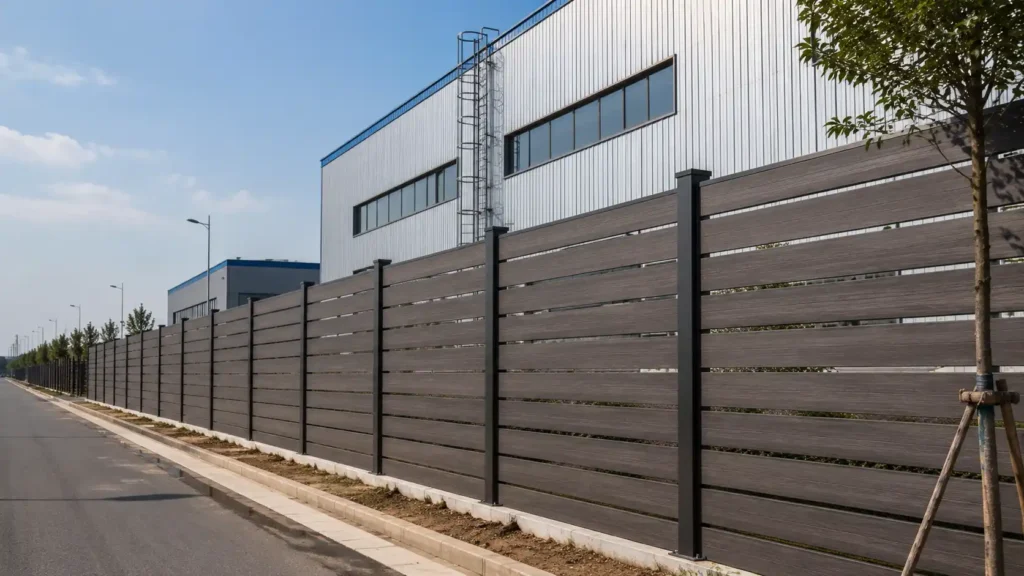
A fence is more than just a boundary; it’s the backdrop to your outdoor living space. If you’re seeking the perfect blend of seclusion, durability, and modern aesthetics, a Wood-Plastic Composite fence is the ultimate solution. Unlike traditional wood or vinyl, WPC offers unparalleled design flexibility with its low-maintenance, weather-resistant, and eco-friendly properties. Explore these stunning WPC fence designs to create a private and stylish sanctuary in your own backyard. 1. The Classic Board-on-Board: Ultimate Privacy & Timeless Appeal The board-on-board design is the gold standard for privacy fencing. This style features vertical boards installed on both sides of the rail, overlapping to eliminate any gaps. When built with WPC, it offers a solid barrier that is both impenetrable to sight and highly sound-resistant.Why it Works: Provides complete seclusion without sacrificing a classic, clean look.Style Tip: Choose a WPC color like Forest Brown or Slate Grey for a timeless, natural wood effect that enhances your home’s curb appeal.Best For: Urban backyards, pool enclosures, and properties close to neighbors or busy streets. 2. Modern Horizontal Slat: Sleek & Contemporary For a truly modern and architecturally striking look, horizontal WPC fencing is a top contender. This design uses wide, horizontal boards to create strong, clean lines that can make a small yard appear wider and more expansive.Why it Works: The horizontal lines draw the eye across the landscape, creating a feeling of modernity and space.Style Tip: Pair a charcoal or black WPC horizontal fence with lush green landscaping for a dramatic, high-contrast look.Best For: Contemporary homes, creating a “studio garden” feel, and adding a designer touch. 3. The Louvered Privacy Fence: Privacy with Airflow Louvered fences feature angled slats that are fixed to allow air to flow through while still blocking the line of sight. This design is perfect for those who want privacy without the solid, “boxed-in” feeling of a full panel fence.Why it Works: The adjustable angles let you control the level of privacy and ventilation, making it ideal for windy areas or for letting breezes into a patio space.Style Tip: Angling the louvers slightly downward from the outside provides maximum privacy while optimizing airflow.Best For: Patios, hot tub areas, and coastal properties where wind is a factor. 4. Hybrid Designs: Combining Materials for Unique Style Why choose one style when you can combine them? Hybrid designs use WPC in conjunction with other materials to create a unique aesthetic.WPC and Stone Pillars: Use sturdy stone or brick columns as posts with WPC panels in between. This adds a permanent, high-end look and breaks up the fence line.WPC with Metal Accents: Incorporate laser-cut metal panels or simple black metal frames within the WPC structure for an industrial-chic vibe.Why it Works: Adds visual interest, texture, and architectural detail that makes your fence a custom feature.Best For: Homeowners looking for a truly custom, high-design landscape feature. 5. Scalloped or Lattice Top: Adding a Decorative Touch For those who desire privacy but don’t want to sacrifice decorative charm, a solid WPC panel with a scalloped or lattice top is a perfect choice. The solid lower section provides the needed seclusion, while the open top adds light, airiness, and classic garden appeal.Why it Works: The lattice top allows sunlight to filter into the garden and can be used as a support for climbing vines and roses.Style Tip: Ensure the lattice is also made from WPC to guarantee the same longevity and color consistency as the main panels.Best For: Cottage-style gardens, adding a traditional touch without full enclosure. How to Choose the Right WPC Fence Design for You Selecting the perfect design involves considering a few key factors: Your Privacy Needs: Do you need total seclusion (Board-on-Board) or just a visual break with airflow (Louvered)? Your Home’s Architecture: A horizontal fence complements modern homes, while a scalloped top may suit a traditional cottage. Local Regulations: Always check your local homeowners’ association (HOA) rules and municipal fencing codes for height and style restrictions. Maintenance: A key benefit of WPC is low upkeep. All these designs only require occasional cleaning with soap and water. Your fence is a major part of your home’s exterior. By choosing a WPC fence, you invest in a structure that provides long-lasting privacy, enhances your style, and frees up your weekends from tedious maintenance tasks like painting and staining.Ready to build your private oasis? Explore our gallery of WPC fencing options and get inspired to transform your outdoor space.

why wpc wall panels are gaining popularity in 2025 1
Blog

Why WPC Wall Panels Are Gaining Popularity in 2025?

The construction and design industries are constantly evolving, and in 2025, WPC wall panels have surged to the forefront as a preferred material for both interior and exterior applications. Moving beyond traditional wood, vinyl, and aluminum cladding, WPC panels offer a powerful combination of sustainability, durability, and aesthetic flexibility. This blog explores the key drivers behind their rising popularity and why they might be the perfect choice for your next project. 1. The Sustainability Imperative: Eco-Conscious Building in 2025 In 2025, the demand for sustainable building materials is no longer a niche trend but a mainstream requirement. WPC wall panels are perfectly positioned to meet this demand. Made from Recycled Materials: WPC panels are primarily manufactured from recycled wood fibers (often from sawmill waste) and recycled plastics (like HDPE or LDPE), diverting waste from landfills and reducing our reliance on virgin materials. Reduced Deforestation: By providing a wood-like aesthetic without the need for logging, they help preserve natural forests and biodiversity. Long Lifespan & Low Waste: Their exceptional durability means they don’t need to be replaced as often as traditional materials, generating less long-term construction waste. This commitment to a circular economy resonates strongly with architects, builders, and homeowners alike. 2. Unbeatable Performance: Durability Meets Low Maintenance Homeowners and commercial property managers are increasingly choosing products that offer long-term value and require minimal upkeep. WPC wall panels deliver precisely that. Weather & Moisture Resistance: Unlike wood, WPC panels will not rot, warp, or splinter when exposed to moisture. This makes them ideal for exterior facades, bathrooms, kitchens, and even coastal properties where salt spray is a concern. Pest & Mold Resistance: They are impervious to termites and insects and resist mold and mildew growth, ensuring a healthier and more durable surface. UV Stability: Advanced manufacturing techniques include UV inhibitors that prevent fading and discoloration from sun exposure, keeping exteriors looking new for years. The Ultimate Low-Maintenance Solution: Forget annual painting, sealing, or staining. A simple occasional clean with soap and water is all that’s needed to maintain their appearance, dramatically reducing lifetime maintenance costs. 3. Design Versatility and Modern Aesthetics Modern design in 2025 celebrates clean lines, natural textures, and personalized spaces. WPC wall panels offer unparalleled design freedom to achieve this look. Realistic Wood-Grain Finishes: Advanced extrusion technology allows for incredibly realistic wood-grain textures and a wide array of natural colors, from rich walnuts to contemporary greys. Sleek, Modern Profiles: Beyond wood looks, they are available in smooth, minimalist profiles perfect for creating accent walls in modern homes, offices, and retail spaces. Easy Installation & Integration: Many WPC panel systems feature interlocking or hidden clip systems, making installation faster and easier than traditional cladding. This allows for seamless integration with other WPC products like decking and fencing for a cohesive outdoor design language. The rise of WPC wall panels is a clear response to the market’s demand for materials that are not only beautiful and functional but also responsible and resilient. They represent a smart investment for the future, combining environmental credentials with practical benefits that save time and money.Whether you’re designing a new build, renovating an exterior, or creating a stunning feature wall indoors, WPC panels provide a future-proof solution that is perfectly aligned with the priorities of 2025.Ready to explore how WPC wall panels can transform your space? Browse our collection of premium SWPC wall panels to find the perfect style for your project.

composite decking maintenance guide keep your deck like new for years 1
Blog

How to Maintain Your Composite Decking for Longevity

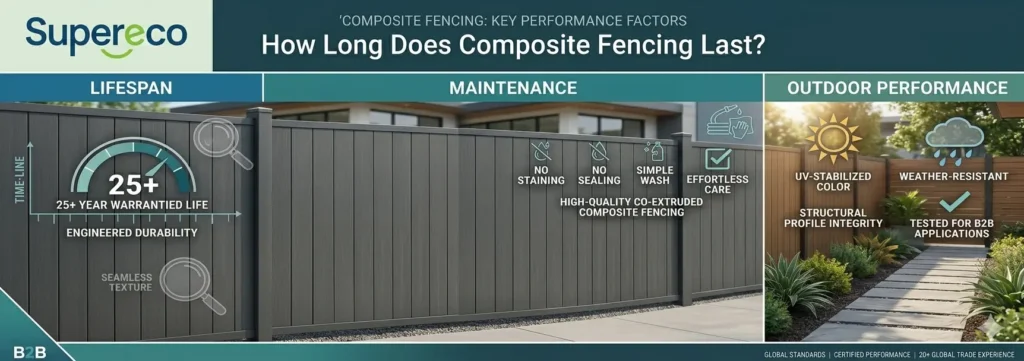
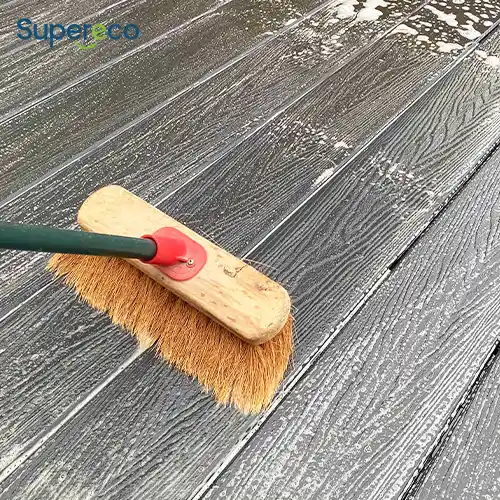
1. Essential Cleaning Techniques for Composite Decking Regular Maintenance Routine Weekly: Sweep with soft bristle broom Monthly: Rinse with garden hose Seasonally: Deep clean with composite cleaner Deep Cleaning Steps Remove furniture/debris Apply composite-safe cleaner Scrub gently with soft brush Rinse thoroughly Allow to dry completely Avoid pressure washers over 1,500 PSI to prevent surface damage 2. Protecting Your Deck from Damage Preventative Measures ✔ Use felt pads under furniture legs✔ Install deck mats in high-traffic areas✔ Keep grills elevated with protective pads✔ Trim nearby tree branches to prevent scratches Seasonal Protection Summer: Provide shade to prevent UV fading Winter: Remove snow with plastic shovel All year: Ensure proper drainage Common Mistakes to Avoid: ✖ Using bleach or harsh chemicals✖ Power washing at close range✖ Dragging heavy objects across surface 3. Repairing Minor Damage & When to Replace DIY Fixes for Common Issues Surface scratches: Lightly sand with fine-grit paper Stubborn stains: Use baking soda paste Mold/mildew: Apply vinegar solution (1:1 with water) When Professional Help is Needed → Significant warping or buckling→ Structural integrity concerns→ Fading beyond restoration Lifespan Expectation: Quality composite decks last 25+ years with proper care Warranties typically cover 10-25 years Final Maintenance Checklist Sweep weekly Deep clean seasonally Inspect for damage monthly Reapply protective coating as needed Address minor issues promptly

Scroll to Top
supereco professional team

Submit Now, Get Best Quote Today.

Get in Touch

Please feel free to leave your information.