Blog

WPC Flooring Decking Product Introduction

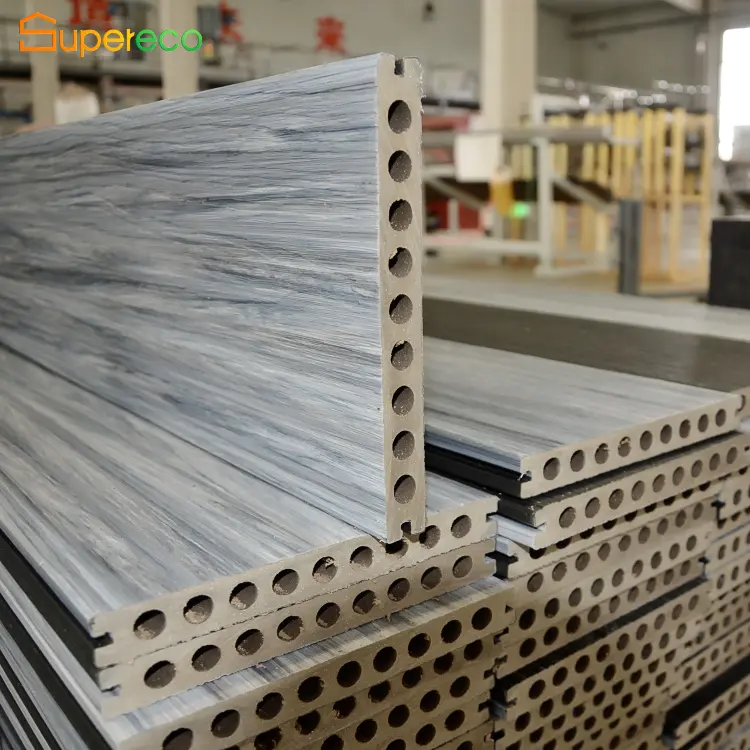
1. Introduction to WPC Flooring Decking WPC, or Wood-Plastic Composite, is a material that combines natural wood fibers and plastic polymers to create a hybrid material that is gaining widespread popularity in the world of flooring and decking. This innovation offers the visual appeal of wood with the durability of synthetic materials, making it ideal for outdoor spaces such as decks, patios, and even indoor flooring in some cases.With the increased focus on sustainability and durable building materials, WPC flooring and decking have become sought after for their combination of eco-friendliness, low maintenance, and longevity. Whether you’re looking to renovate your backyard deck or install new flooring, WPC offers a versatile and cost-effective solution that has the potential to transform your space.  2. History and Evolution of WPC The origins of composite materials date back several decades, initially developed as a way to improve the longevity and environmental impact of traditional wood products. The concept of WPC emerged from the need to create materials that offered the benefits of wood without its drawbacks, like susceptibility to rot, moisture damage, and warping.Early composite materials were mainly used in commercial applications, but by the late 20th century, technological advances made them accessible for residential use, particularly in outdoor decking. Today, WPC is widely used for flooring and decking in various industries, thanks to its ability to mimic the aesthetic qualities of wood while offering superior performance. Add Your Heading Text Here WPC flooring decking is primarily composed of a blend of wood fibers or sawdust and recycled plastic materials. These two components are bound together using specialized chemical agents that help enhance the overall durability and weather resistance of the product. The mixture is then heated and extruded into various shapes and sizes, depending on the specific product being created.The exact proportions of wood to plastic can vary, but most WPC products contain about 50-60% wood fiber and 30-40% plastic, with the remaining portion made up of bonding agents and stabilizers. This balance allows WPC to achieve the look and feel of real wood while taking advantage of the resilience and flexibility of plastic. 4. How WPC Decking is Manufactured The manufacturing process for WPC decking involves several steps, most of which center around the extrusion process. First, the wood fibers and plastic are mixed together in large machines, creating a uniform material blend. This mixture is then fed through an extrusion machine, where it is heated until it melts and forms into the desired shape.More advanced WPC products utilize co-extrusion technology, where an additional layer of plastic is applied to the surface of the boards, providing extra protection against UV rays, moisture, and scratches. After the extrusion process, the boards are cut to size and often embossed with textures that mimic the grain of real wood.
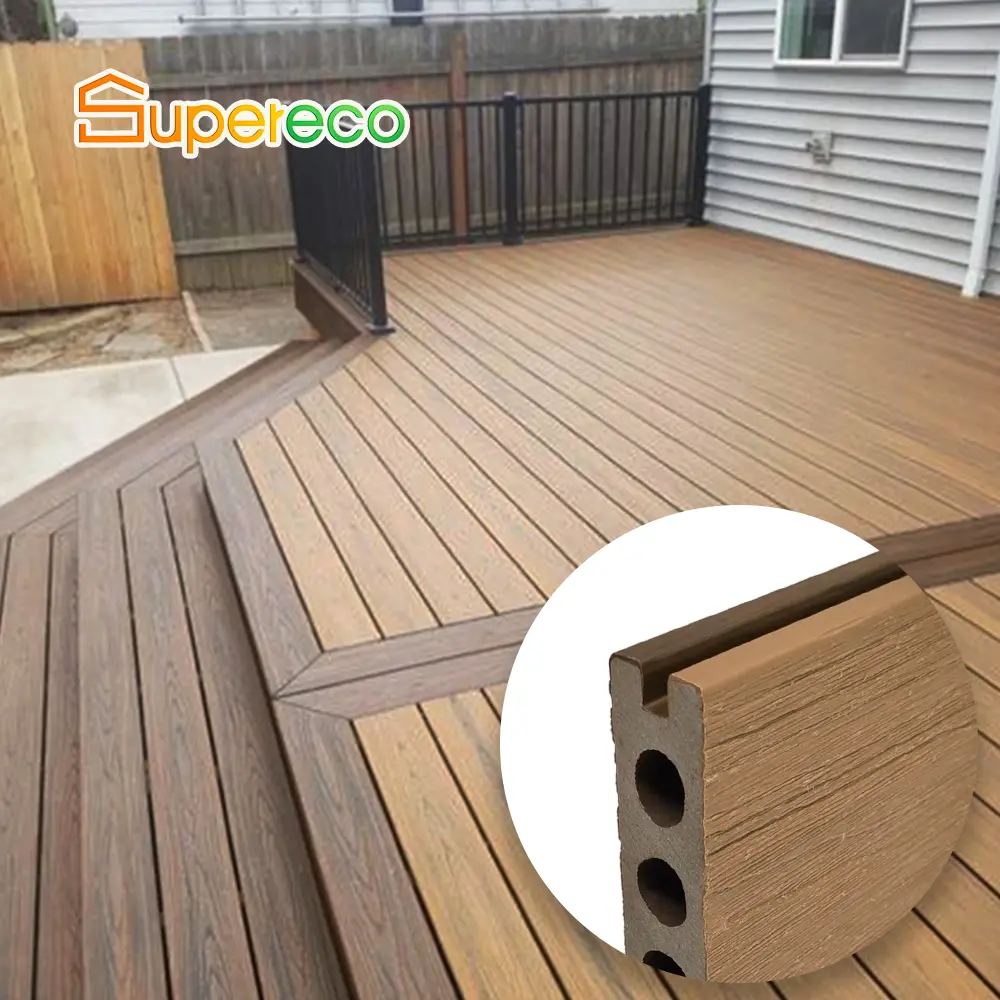

Co-Extrusion WPC Decking
Blog

Aesthetic Benefits and Environmental Benefits of Co-Extrusion WPC Decking

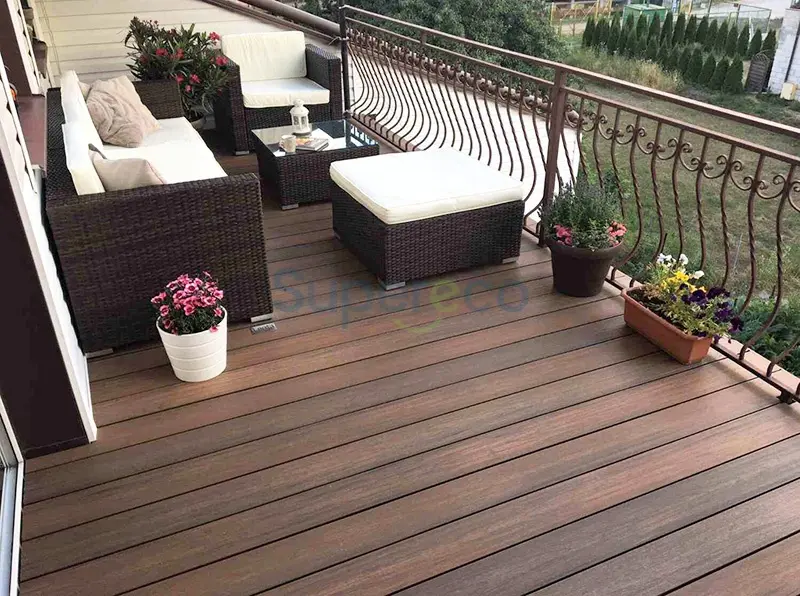
Aesthetic Benefits 1. Realistic Wood Grain FinishCo-extrusion WPC decking offers a natural wood-like appearance that closely mimics real timber. The texture and grain patterns give it an authentic look without the high maintenance requirements of real wood. 2. Color Variety and RetentionUnlike traditional wood, which requires staining and sealing to maintain its color, co-extrusion WPC decking comes in a variety of colors that remain vibrant over time. The outer shell protects against fading, ensuring long-lasting beauty.3. Customization Options for Deck DesignWith a wide range of colors, textures, and finishes available, co-extrusion WPC decking can be customized to suit any design preference, from modern minimalist to rustic charm. Environmental Benefits of Co-Extrusion WPC Decking 1. Sustainable Materials and Eco-Friendly ProductionCo-extrusion WPC decking is made from recycled materials, including wood fibers and plastics. This reduces the demand for virgin timber and helps divert waste from landfills.2. Reduction in Deforestation and Timber UseBy choosing WPC decking over traditional wood, you contribute to the reduction in deforestation and the preservation of natural forests. 3. Recyclability of WPC DeckingAt the end of its life, co-extrusion WPC decking can be recycled, making it an environmentally responsible choice for eco-conscious homeowners.

WPC Decking DIY Tiles
Blog

Some Key Points About Wpc Deck Tiles

Wood Plastic Composite (WPC) deck tiles are a popular choice for outdoor flooring due to their durability, ease of installation, and low maintenance requirements. Here are some key points about WPC deck tiles: Features: Material Composition: WPC is made from a blend of wood fibers and plastic, which gives it the appearance of wood with enhanced durability.Durability: Resistant to rot, decay, and insect damage, making it ideal for outdoor use.Weather Resistance: Can withstand various weather conditions, including rain and UV exposure, without warping or fading.Low Maintenance: Requires minimal upkeep compared to traditional wood, usually just occasional cleaning with soap and water.Eco-Friendly: Often made from recycled materials, contributing to environmental sustainability. Installation: Interlocking System: Most WPC deck tiles feature an interlocking system that allows for easy installation without the need for tools or adhesives.Versatility: Can be installed over various surfaces, including concrete, wood, and even grass, as long as the surface is relatively flat and stable.DIY Friendly: Suitable for DIY projects due to the simplicity of the installation process. Design Options: Variety of Colors and Textures: Available in a range of colors and wood-like textures to match different aesthetic preferences.Customizable Layouts: Tiles can be arranged in different patterns to create unique designs. Considerations: Cost: While generally more affordable than natural wood, prices can vary based on quality and brand.Heat Retention: WPC can retain heat, which might make it uncomfortable to walk on barefoot in hot weather.Surface Preparation: Ensure the underlying surface is clean and level to prevent uneven installation.WPC deck tiles are a practical and stylish option for enhancing outdoor spaces, offering a balance of aesthetics and functionality.

WPC Fence Wall Panel
Blog

Benefits of Outdoor WPC Fencing

Durability and Longevity One of the most significant advantages of WPC fencing is its exceptional durability. Unlike traditional wood, WPC is resistant to rot, decay, and insect damage. This makes it a long-lasting choice for outdoor applications, often exceeding the lifespan of wooden fences. Low Maintenance RequirementsWPC fences require minimal maintenance compared to traditional materials. They do not need regular staining or sealing, and a simple wash with soap and water is typically sufficient to keep them looking new. This ease of maintenance makes WPC a popular choice for homeowners. Aesthetic AppealAvailable in various colors and finishes, WPC can mimic the look of natural wood, allowing homeowners to achieve a classic aesthetic without the drawbacks of wood. This versatility means that WPC fences can fit into diverse architectural styles and landscapes. Comparing WPC with Traditional Fencing Wood vs. WPCWhile wood offers a classic appeal, it is susceptible to warping, splintering, and decay. In contrast, WPC is engineered to resist these issues, providing a more stable and long-lasting option. Additionally, WPC is more environmentally friendly since it utilizes recycled materials. Metal vs. WPCMetal fencing, while strong, can be prone to rust and corrosion. WPC, on the other hand, does not rust and can withstand various weather conditions without compromising structural integrity. This makes WPC a safer and more versatile choice for many climates.

WPC Decking Projects Gallery-22
Blog

What is Wood Plastic Composite Decking?

Composition and Manufacturing Process Ingredients in WPCWood Plastic Composite (WPC) decking combines wood fibers with plastic polymers, creating a material that retains the beauty of natural wood while offering enhanced durability. The wood fibers often come from recycled sources, making WPC an eco-friendly choice. The plastics used can include polyethylene, polypropylene, or PVC, which are typically recycled materials as well. Production TechniquesThe manufacturing process involves mixing the wood fibers and plastic, which is then heated and extruded into planks. This method allows for a consistent product with a variety of textures and finishes. Advanced technologies ensure that the resulting decking is resistant to moisture, insects, and fading. Advantages of WPC Decking Durability and LongevityWPC decking is designed to withstand the elements, making it a long-lasting option for outdoor spaces. It resists warping, splintering, and rotting, unlike traditional wood, which can succumb to weather-related damage over time. This durability makes WPC an excellent investment for homeowners. Low Maintenance NeedsOne of the most significant advantages of WPC decking is its low maintenance requirement. Unlike wood, which needs regular staining, sealing, and painting, WPC only requires occasional cleaning with soap and water to maintain its appearance. This ease of maintenance allows homeowners to enjoy their outdoor spaces without the constant upkeep. Aesthetic Versatility Range of Colors and TexturesWPC decking is available in various colors and textures, allowing homeowners to achieve the desired aesthetic for their outdoor spaces. Whether you prefer the warm tones of cedar or the sleek look of gray, WPC offers the versatility to match any design vision. The natural wood grain patterns enhance the visual appeal while ensuring durability.

WPC Wall Panel Project Gallery-5
Blog

What are the advantages of WPC Wall Panel?

Waterproof: WPC wall panels are highly resistant to water, preventing swelling, warping, or damage in humid or wet conditions. This makes them perfect for use in bathrooms, kitchens, and outdoor areas. Anti-Corrosion: Unlike metal or traditional wood, WPC panels do not corrode or rust, even when exposed to saltwater, chemicals, or other harsh environmental elements, making them ideal for coastal or industrial regions. Moisture-Proof: WPC panels effectively block moisture, preventing the growth of mold, mildew, and rot. This ensures a clean, hygienic environment, particularly in areas with high humidity. Durable and Long-Lasting: WPC panels are known for their exceptional durability. They can withstand external factors such as UV rays, temperature changes, and heavy impact without losing their strength or structural integrity over time. Aesthetic Appeal: With a wide range of colors, textures, and finishes available, WPC panels provide a stylish, modern look that can replicate natural wood or other materials. They add an elegant and customizable design element to both interiors and exteriors. These combined advantages make WPC wall panels a versatile, low-maintenance, and visually appealing solution for various applications.

WPC Decking Projects Gallery-19
Blog

Overview of WPC Decking Styles and Surface Textures

WPC (Wood-Plastic Composite) decking offers a range of surface styles and textures that blend aesthetics with functionality, catering to various design preferences. Among the traditional styles, there are several prominent surface textures:Sanded & Flat: This style provides a smooth and polished finish, enhancing the deck’s refined appearance while making it easy to clean and maintain. Sanded & flat Wide Stripe: Characterized by broader, distinct grooves, this pattern is ideal for adding a visually striking yet functional non-slip surface. Wide stripe Wood-Grained: Mimicking the natural texture of wood, this embossed design replicates the authentic feel of timber, offering a rustic appeal that combines nature with durability. Wood-grained Embossed: This texture is pressed into the material, providing a three-dimensional effect that enhances both aesthetic appeal and grip, making it a versatile option for various outdoor settings. Embossed Medium Stripe: With a balanced groove width, the medium stripe style offers a mix of visual detail and a modest anti-slip surface, suitable for moderate-traffic areas. Medium Stripe Pinstripe: Featuring thin, closely spaced lines, pinstripe decking adds a sleek, minimalistic texture while also enhancing traction. Sanded & flat Each of these styles serves different functional and design purposes, allowing for customization in terms of safety, aesthetics, and surface feel, making WPC decking a popular choice for both residential and commercial outdoor spaces.

WPC Wall Panel Project Gallery-3
Blog

Introduction to WPC Wall Panels

1. Definition of WPC Wall Panels WPC (Wood-Plastic Composite) Wall Panels are engineered panels made from a combination of wood fibers or wood flour and thermoplastic resins. These panels are designed to offer the aesthetic appeal of natural wood while providing enhanced durability and resistance to various environmental factors such as moisture, termites, and UV radiation. WPC wall panels are often used in interior and exterior applications, offering a low-maintenance alternative to traditional wood, with the added benefits of being eco-friendly, as they are often made from recycled materials. 2. Historical Background and Evolution of WPC Panels  The development of WPC panels began in the late 20th century, driven by the need for sustainable and durable construction materials. Initially, WPCs were primarily used in decking applications, but as the technology evolved, their use expanded into other areas, including wall panels. The innovation in WPC technology was largely spurred by advancements in polymer science and a growing environmental consciousness, leading to increased demand for materials that could reduce the consumption of natural wood. Over the years, WPC panels have undergone significant improvements in terms of design, durability, and aesthetic options, making them a popular choice in modern construction and interior design. 3. Comparison with Traditional Wall Panels When compared to traditional wall panels made from materials such as solid wood, gypsum, or metal, WPC wall panels offer several advantages:Durability: WPC panels are more resistant to moisture, termites, and environmental wear and tear, making them ideal for both indoor and outdoor use.Maintenance: Unlike traditional wood panels, WPC panels do not require frequent painting, staining, or sealing, which reduces maintenance costs over time.Eco-Friendliness: WPC panels are often made from recycled wood and plastic, contributing to sustainability and reducing the demand for virgin wood resources.Versatility: WPC panels can be manufactured in a variety of colors, textures, and finishes, providing greater design flexibility compared to traditional materials. Cost: While the initial cost of WPC panels may be higher than some traditional materials, the long-term savings in maintenance and durability often make them a more cost-effective option.These characteristics make WPC wall panels a competitive alternative in the construction industry, especially for applications requiring a blend of aesthetics, durability, and environmental sustainability.

Supereco WPC Factory
Blog

Welcome Supereco’s new website is officially launched!

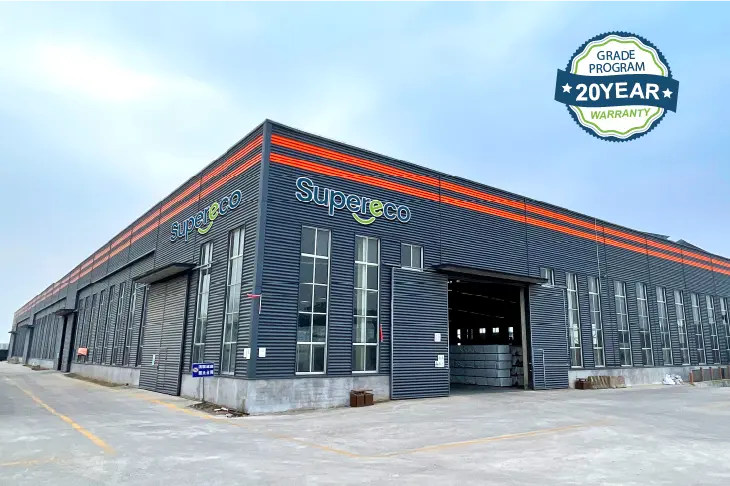
Welcome Supereco’s new website is officially launched! Linyi Supereco Building & Decoration Materials Co..Ltd. began the WPC production in 2006. We have more than 60 production lines. We apply ourselves to R&D, possessing more than 20 patents and over 300 different WPC products which include all new 2nd generation products as known as co-exrusion.And our WPC products include WPC Decking,WPC DIY Tiles,WPC Cladding,WPC Fencing and so on.We use an environmental-friendly combination of reclaimed woods and polymer resins to create high quality deck boards so that the quality of your life will be enhanced. And our company is the largest WPC manufacturer in North China,having over 16 years production experience. What’s more, We have branches and partner companies in more than 40 countries and regions to ensure the after-sales service of our products. Supereco products exported to so many countries and more and more clients want to be our distributors all over the world.Greatly welcome everyone to visit our factory.Hope we could establish good business relationship with you in the near future. Welcome friends from all over the world to visit our company! Supereco WPC Factory Supereco WPC Workshop

Scroll to Top