Discover why composite fencing and WPC fencing are top choices for modern homes. This guide reveals their benefits over wood and vinyl, focusing on durability, minimal upkeep, and enhanced aesthetics for homeowners.
If you’re considering a new fence, you’ve likely encountered composite fencing and WPC fencing. These modern materials are rapidly replacing traditional wood and vinyl in neighborhoods everywhere. But what’s driving this trend? Homeowners are discovering that composite and WPC fences offer a superior blend of long-lasting beauty and practical performance. This article explores the key reasons for their surge in popularity, from their impressive resilience against the elements to their stunning, low-maintenance appeal that boosts curb appeal.
The Limitations of Traditional Fencing
Before diving into the benefits of composite, it’s helpful to understand why many are moving away from conventional fencing options.
The Constant Battle with Wood and Iron
Traditional wood fencing, while classic, demands significant ongoing care. It is susceptible to rotting, warping, and insect damage, requiring regular staining or sealing to maintain its appearance and structure. Similarly, iron or metal fencing, though strong, is prone to rust and corrosion, needing frequent painting to combat weathering. This cycle of maintenance becomes a recurring expense and time-consuming chore for homeowners.

The Core Advantages of Composite and WPC Fencing
So, what makes composite fence panels and WPC (Wood Plastic Composite) such a game-changer? They are engineered to solve the very problems that plague traditional materials.
Unmatched Durability and Longevity
Composite fencing is built to last. It’s highly resistant to moisture, preventing the rot and decay that destroy wood. It won’t warp, crack, or splinter under intense sun or freezing temperatures. Unlike iron, it is completely immune to rust. This robust nature ensures your composite garden fence maintains its integrity and appearance for decades, making it a truly long-term investment for your property.
The Appeal of Minimal Maintenance
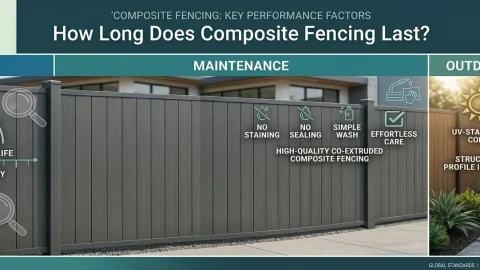
This is perhaps the biggest draw. Once installed, a composite privacy fence requires almost no upkeep. Forget annual painting, staining, or sealing. A simple occasional rinse with a garden hose or a wash with soapy water is all that’s needed to keep it looking new. This frees up your weekends and saves you money on maintenance supplies and labor year after year.
Design and Environmental Perks
Beyond sheer resilience, modern homeowners are choosing composite for its style and sustainability.
Aesthetic Versatility for Curb Appeal
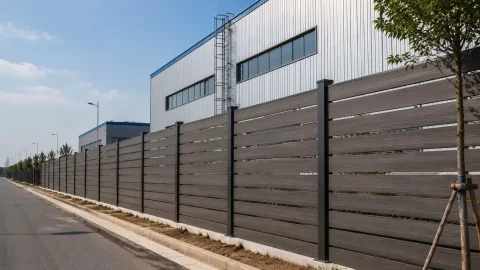
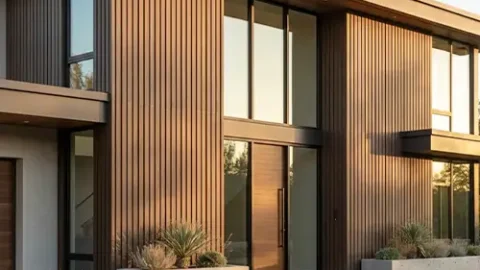
Today’s composite fencing offers a wide range of designs. You can find styles that beautifully mimic the rich, natural grain of wood without any of its drawbacks. It comes in various colors and finishes, from classic timber hues to contemporary grays, allowing you to perfectly match your home’s architectural style. This enhances your outdoor privacy and security while significantly boosting your home’s curb appeal.
An Eco-Friendly Choice
For the environmentally conscious, WPC fencing is an excellent option. Most products are manufactured using a high percentage of recycled materials, such as reclaimed wood fibers and post-consumer plastics. By choosing a composite fence, you are reducing landfill waste and minimizing the demand for newly harvested lumber, making it a sustainable choice for your landscape.
Analyzing the Investment: Cost vs. Value
While the initial price of a composite fence panel system may be higher than a traditional wood fence, it’s crucial to view it through the lens of long-term value.
The upfront cost is offset by decades of savings on maintenance. You will never need to pay for staining, sealing, or repairing rot and rust. Its exceptional longevity means it won’t need replacing for a very long time. Furthermore, the installation of a durable, attractive composite garden fence is a recognized home improvement that can increase your property’s resale value, making it a smart financial decision for the future.