For global distributors, wholesalers, and commercial contractors, sourcing the right outdoor materials is all about protecting your profits. A composite fence sample might look perfect on your desk, but the real test happens when you order several containers for a major project.
If the factory cuts corners, your customers will face fading, warping, or cracking a few months after installation. For you, that means endless warranty claims, lost trust, and damaged reputation.
As an experienced global WPC fencing manufacturer, we know what B2B buyers worry about most. Here are the 5 most common problems with composite fencing in real-world projects, and exactly how a top-tier composite fencing supplier helps you avoid them.
Warping and Bending (Thermal Movement)
The Problem
Have you ever seen a composite fence look completely straight in winter, but start to buckle or bend like a banana in July? This happens because all composite materials expand when it gets hot and shrink when it gets cold.
If a factory uses a bad material formula or too much cheap filler, the fence will expand too much. If the installation team doesn’t leave enough gaps, the expanding boards will press against the posts and warp under pressure.
How to Avoid It
When you choose a composite fence manufacturer, ask how they control material stability. A professional factory uses automated mixing systems to ensure every batch reacts the same way to weather. They will also provide you with clear, easy-to-follow installation guides showing exactly how much gap to leave between panels based on your local climate.
Mold, Rot, and Water Damage
The Problem
Many importers think all composite materials are 100% waterproof. That is a myth. Composite is made of wood fibers and plastic. If a low-tier factory uses wet, unrefined wood flour, or doesn’t mix it well enough with the plastic, moisture will seep into the core of the boards over time. In rainy or humid regions, this leads to internal mold, soft spots, and eventually, the fence rotting from the inside out.
How to Avoid It
Make sure your WPC fencing supplier has total control over their raw materials. High-end factories use massive industrial dryers to dry the wood flour until its moisture content is below 1% before they start production. When the wood is perfectly dry, the plastic can wrap around it completely, creating a true shield against heavy rain and humidity.
Fast Fading and Surface Chalking
The Problem
It is normal for outdoor materials to change color slightly when first exposed to the sun. However, cheap composite fences lack proper sun protection. In high-UV areas, a premium “charcoal grey” fence can turn into an ugly, uneven light ash-grey in less than a year. The surface can also become brittle and start to powder (chalking), leading to immediate complaints from commercial project developers.
How to Avoid It
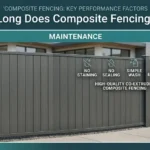
Always ask your composite fencing supplier about their UV-protection formula. If you are supplying high-end luxury projects or regions with scorching sunshine, the best option is to source a co extrusion composite fence.
This advanced technology adds a 360-degree extra polymer shell around the inner core. It acts like an unremovable sunscreen, keeping the fence looking fresh, vibrant, and uniform for decades.
Boards Don't Fit (Size Inconsistency Between Shipments)
The Problem
This is a classic nightmare for companies dealing in composite fencing wholesale. Container A arrives, and the panels fit perfectly into the posts. A month later, Container B arrives, but the panels are 1mm thicker or thinner. Suddenly, they won’t slide into the post slots, or they are too loose and rattle in the wind. The entire installation team stops working, and you face massive project delays.
How to Avoid It
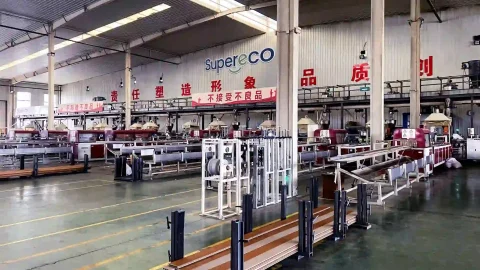
This size problem is always caused by outdated, manually adjusted machinery. To secure your supply chain, you need a partner with major industrial scale that uses fully automated computer systems to control speed and pressure. This guarantees that every single board has the exact same thickness, whether it was made in January or June.
Snapping and Breaking Under Strong Winds
The Problem
A fence acts like a giant sail in the wind. To lower their prices, some factories put too much cheap chalk filler into their recipe and use low-quality recycled plastic scrap. This makes the fence incredibly brittle. When a strong storm hits, the panels or the interlocking parts simply snap or crack.
How to Avoid It
A reliable factory won’t just tell you their fence is strong; they will prove it. Always ask for official structural test reports from international testing bodies like SGS, Intertek, or TÜV. A quality manufacturer will show you verified wind-load ratings and impact resistance data. For storm-heavy zones, they will even offer heavy-duty posts with internal aluminum reinforcements.
Why Supereco is Your Most Trusted Composite Fencing Manufacturer
When you are signing a bulk contract or transferring a deposit for multiple containers, you need more than just a supplier—you need an enterprise-grade partner who can secure your entire supply chain.
Here is why global distributors, wholesalers, and project managers place their long-term trust in Supereco:
Massive Scale for Price & Supply Stability: Operating with 100+ advanced production lines and a massive 100,000+ tons annual output, we ensure your peak season orders are delivered without standard factory delays. Our volume purchasing power also shields your business from sudden raw material price spikes.
Proven Durability in Your Local Climate: We bring 20+ global years of experience to the table, having successfully shipped to 70+ international markets reached. Whether your projects face freezing Canadian winters, heavy British rains, or the scorching heat of the Middle East, our field-tested formulas are proven to endure.
Patented Innovation to Eliminate Quality Risks: With 20+ number of patents, we continuously reinvest in R&D to solve the industry’s biggest headaches. From advanced co extrusion composite fence systems with 360-degree shielding to storm-resistant structural designs, we engineer out the flaws so you can eliminate customer complaints.
Conclusion
In the high-volume B2B marketplace, a cheaper initial purchase price almost always leads to expensive fixing costs and broken client relationships later. By partnering with a world-class WPC fencing manufacturer like Supereco, you choose automated precision, raw material purity, and fully compatible fence systems built to protect your long-term profits.
Are you updating your product catalog or preparing a bid for an upcoming commercial tender? [Contact the Supereco B2B export team today] to get your free physical sample kits, technical catalogs, and official test submittals.