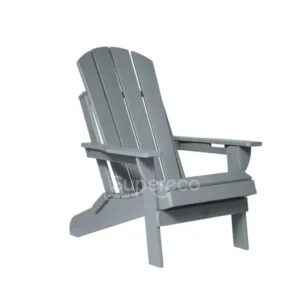
When you picture a relaxing backyard or a cozy porch, one piece of furniture likely comes to mind: the Adirondack chair. With its signature slanted seat, wide armrests, and inviting low profile, this outdoor seating staple has become synonymous with comfortable, timeless design. But what exactly makes it unique, and why should you consider it for your next outdoor furniture or DIY project?
In this guide, we’ll explore the history, design elements, materials, and practical tips you need to understand and build your own Adirondack chair—whether you’re a seasoned woodworker or a weekend project enthusiast.
A Brief History of the Adirondack Chair
The Adirondack chair first appeared in the early 20th century in upstate New York, inspired by the need for sturdy, comfortable seating for rustic camps and lakeside retreats. The original design combined practicality with comfort—something that many outdoor chairs before it lacked.
Over time, the chair evolved from a niche camp staple into a mainstream favorite featured in gardens, patios, and beach houses around the world.
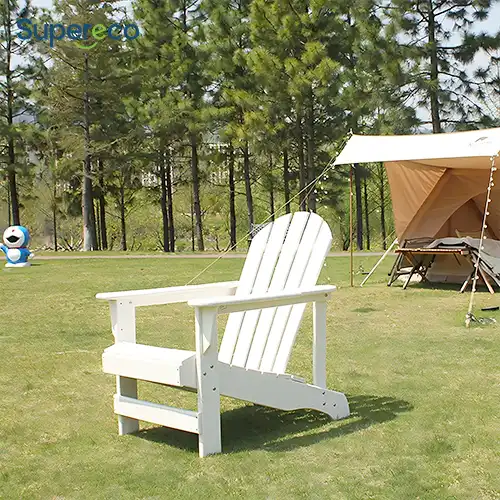
Key Design Features of Adirondack Chairs
What sets an Adirondack chair apart from other outdoor seating?
- Slanted Backrest
The backward tilt allows for relaxed reclining—perfect for reading or enjoying a sunset. - Wide Armrests
These serve as mini side tables for drinks, phones, or books. - Low Seat Height
The seat sits lower to the ground, which creates an open, welcoming posture.
Over time, the chair evolved from a niche camp staple into a mainstream favorite featured in gardens, patios, and beach houses around the world.
Materials Used for Adirondack Chairs
Common Wood Types
- Cedar: Naturally resistant to rot.
- Teak: Strong and weather-resistant.
- Pine: Affordable and easy to work with.
- Reclaimed wood: Eco-friendly and rustic.
Alternative Materials
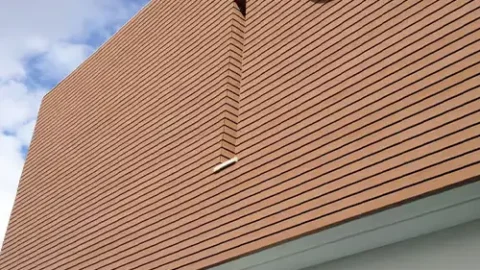
- Recycled plastic lumber: Very low maintenance.
- Metal accents: For a modern twist.
External Link Opportunity: Include a link to a guide on the best outdoor wood types.
How to Build an Adirondack Chair
For DIY lovers, building your own Adirondack chair is a rewarding project that combines skill with creativity.
Tools You’ll Need
- Saw (circular or miter)
- Drill and bits
- Sander
- Clamps
- Measuring tape
Measurements & Templates
You can find free Adirondack chair plans online that include precise cut lists and angles.
Building Steps
- Cut all boards to size.
- Assemble the backrest slats.
- Build the seat frame and attach the slanted supports.
- Add armrests and finish trims.
- Sand and finish with paint, stain, or sealant.
This process can take a weekend but results in a custom piece you’ll use for years.
Finishing and Weatherproofing
Your Adirondack chair will be exposed to the elements, so proper finishing matters.
Finishing Options
- Wood stain (brings out grain)
- Exterior paint (color customization)
- Clear sealant (protects wood)
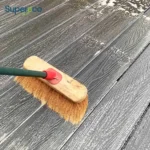
- For best results, apply multiple coats and check yearly for touch-ups.
Hyperlink Opportunity: Link to a maintenance guide for outdoor wood furniture.
Adirondack Chair Variations & Design Trends
Modern designers have reimagined the Adirondack chair in various ways:
- Foldable Adirondack Chairs
Great for storage and portability. - Contemporary Color Schemes
Bold outdoor colors that match seasonal décor. - Eco-Friendly Versions
Made from recycled materials or sustainably harvested wood.
This adaptability keeps the Adirondack chair relevant in both classic and modern outdoor settings.
Where to Use an Adirondack Chair
The versatility of this chair means it fits almost anywhere:
- Backyard patios and decks
- Poolside relaxation areas
- Beach houses and lakeside cottages
- Garden nooks
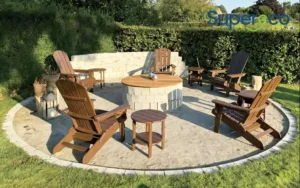
- Fire pit seating circles
Because of their comfort and charm, Adirondack chairs help create inviting spaces wherever placed.
Adirondack Chair Project Tips
These expert tips will help you get the most out of your build or selection:
- Choose wood that naturally resists moisture.
- Pre-drill holes to prevent splitting.
- Use stainless steel screws outdoors.
- Test an angle on scrap wood before cutting.
- Pair with outdoor cushions for extra comfort.
FAQ
- What makes an Adirondack chair comfortable?
Its slanted seat, high backrest, and wide armrests are ergonomically designed for relaxation. - Can I build an Adirondack chair without experience?
Yes! With basic tools and clear plans, a beginner can build one over a weekend. - How long does an Adirondack chair last?
With quality materials and proper maintenance, it can last 10+ years outdoors. - Is cedar better than pine for outdoor chairs?
Cedar is more weather-resistant but also more expensive than pine. - Can Adirondack chairs be painted?
Absolutely—outdoor paint adds color and protects wood from moisture. - Are there eco-friendly Adirondack chairs?
Yes, many are made from recycled plastics or sustainably sourced timber.
Final Thoughts
Why Adirondack Chairs Are a Great Choice?
Whether you’re tackling your next DIY woodworking project or selecting durable outdoor furniture for your patio, understanding what an Adirondack chair is and how it functions helps you make smarter choices. Their timeless design, comfort focus, and adaptability continue to make Adirondack chairs a favorite for homeowners, designers, and outdoor enthusiasts alike.